BLIND is a 4 Letter Word.
Why do you use it?...
I'm not a fan of the word blind. In fact, in my 37 years of private practice, I have not once uttered the words blind, going blind, blindness, risk of going blind, etc. to any patient. I have never found the need to. I have too much respect for it.
I'm speaking from a very...
by John R Martinelli MD OD FAAO —
Mar 16, 2025
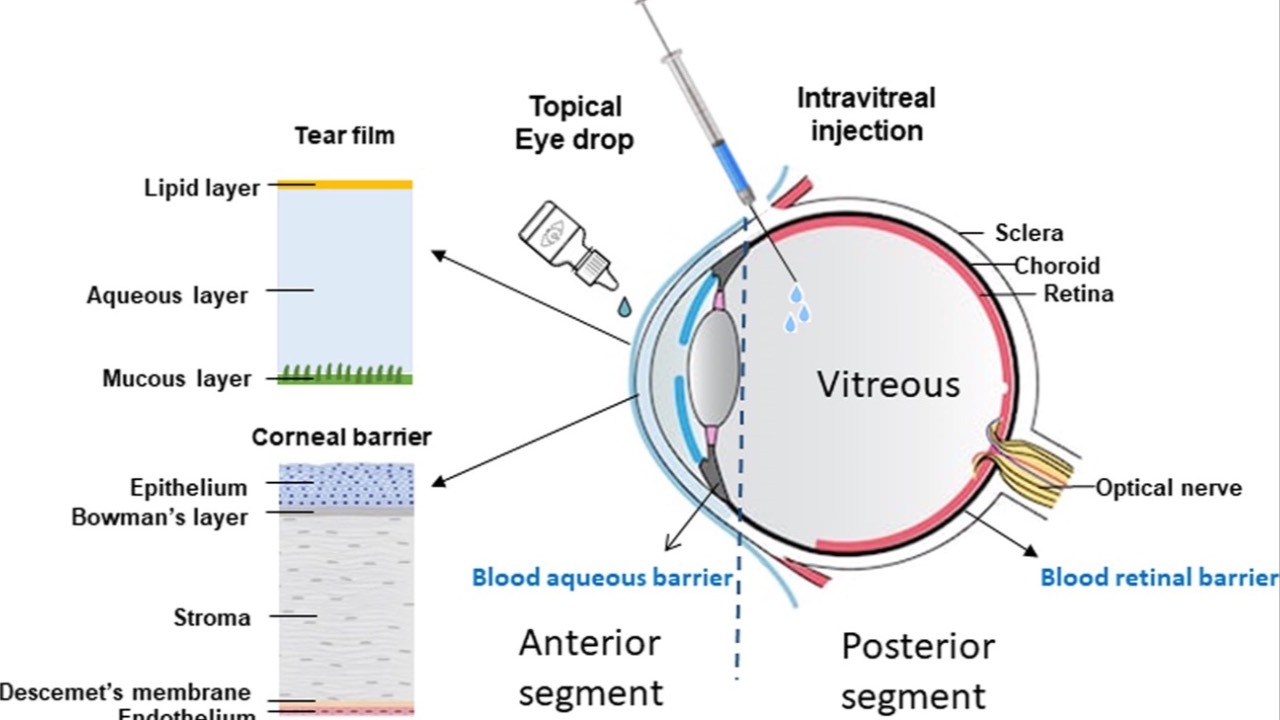
Topical Anti-VEGF On The Horizon
Do you know the latest?...
Can sustained suppression of VEGF be accomplished through topical ocular medications? This question represents an exciting future, particularly for treating retinal vascular diseases like neovascular age-related macular degeneration and diabetic macular edema. While in...
by John R Martinelli MD OD FAAO —
Mar 13, 2025
A Port For Diabetic Macular Edema
Do you know it's happening now?...
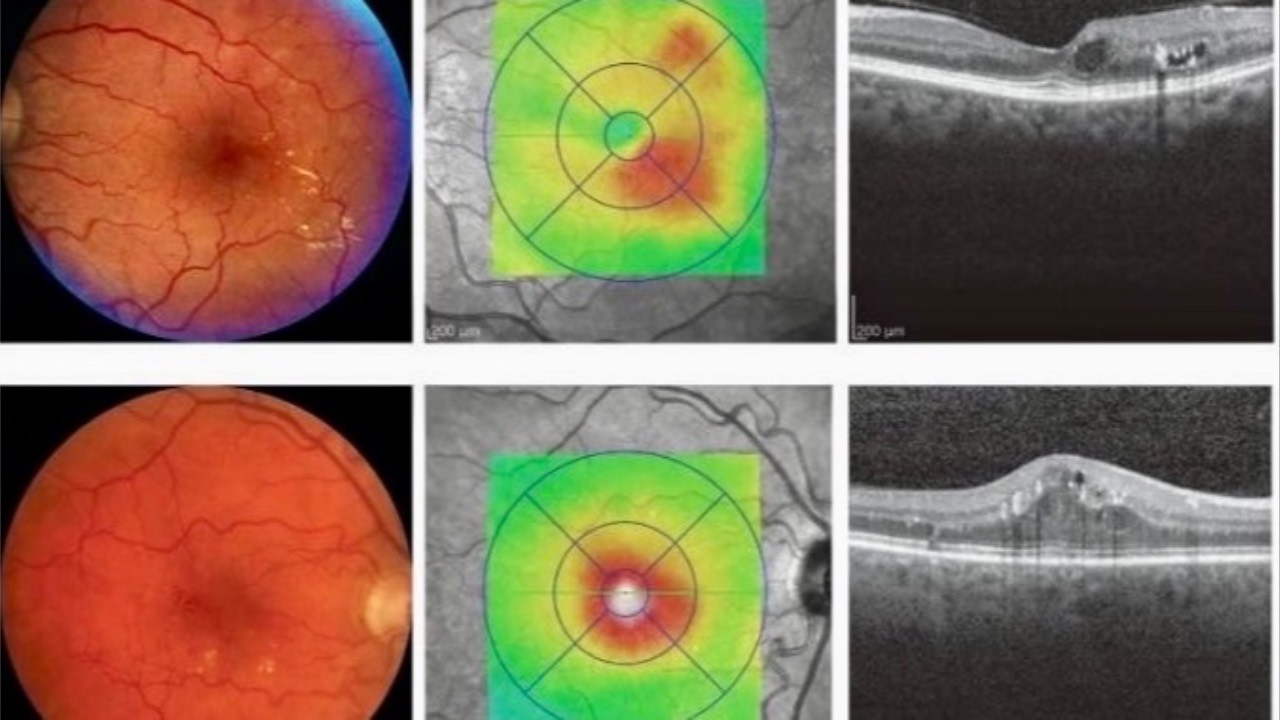
Continuous ranibizumab delivery via a Port Delivery System (PDS) with refill exchanges every 24 weeks has been found to provide non-inferior outcomes compared to monthly intravitreal injections for individuals with diabetic macular edema (DME).
A phase 3 multic...
by John R Martinelli MD OD FAAO —
Mar 11, 2025
How To Practice PRIMARY CARE.
Thoughts on taking care of people...
Let's get right to it...
Taking care of people and primary care should not be a gateway to the referral merry-go-round wasting resources, precious time, expense, and most unfortunate leading to the creation of greater patient anxiety due to lack of prompt solu...
by John R Martinelli MD OD FAAO —
Mar 09, 2025
NOT What You Think.
What will you tell your patient?...
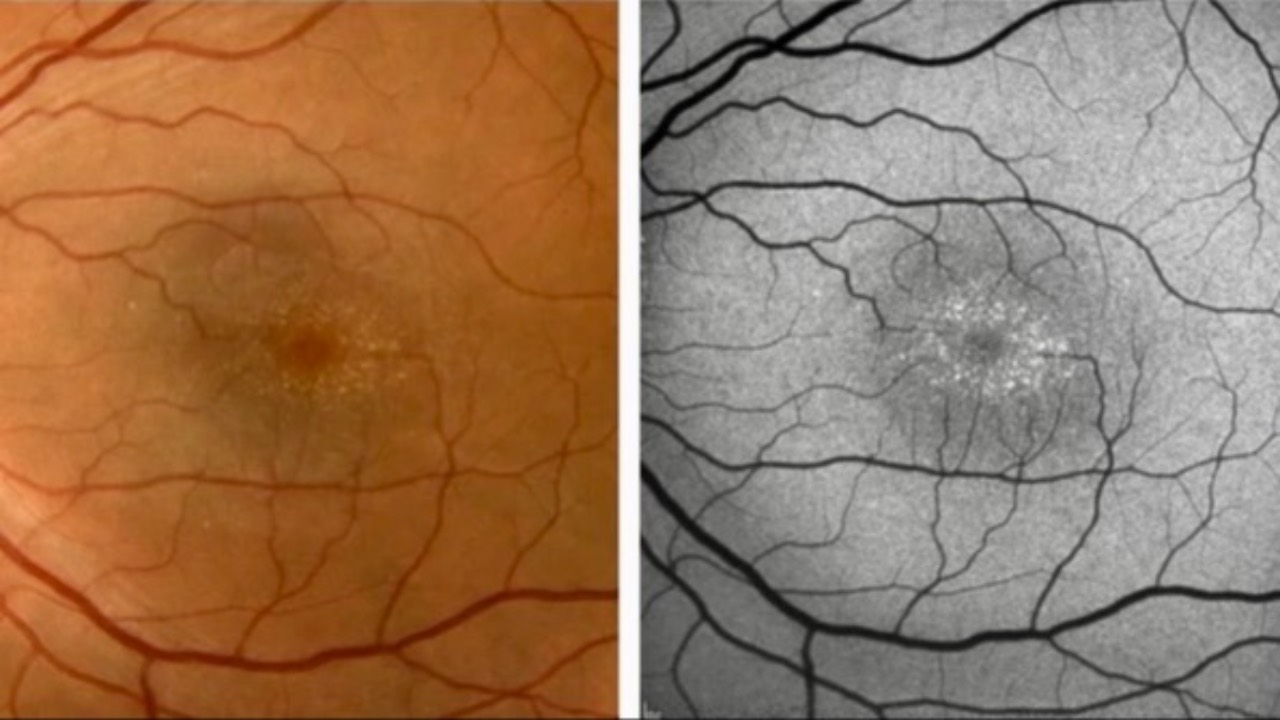
Benign yellow dot maculopathy (BYDM) is a recently recognized retinal condition characterized by distinctive yellow dots in the macular area. There is also a wide phenotypic spectrum - potentially extending beyond the vascular arcades. Recent understanding of i...
by John R Martinelli MD OD FAAO —
Mar 06, 2025
Pterygium & Epigenetics
Do you know your histones?...
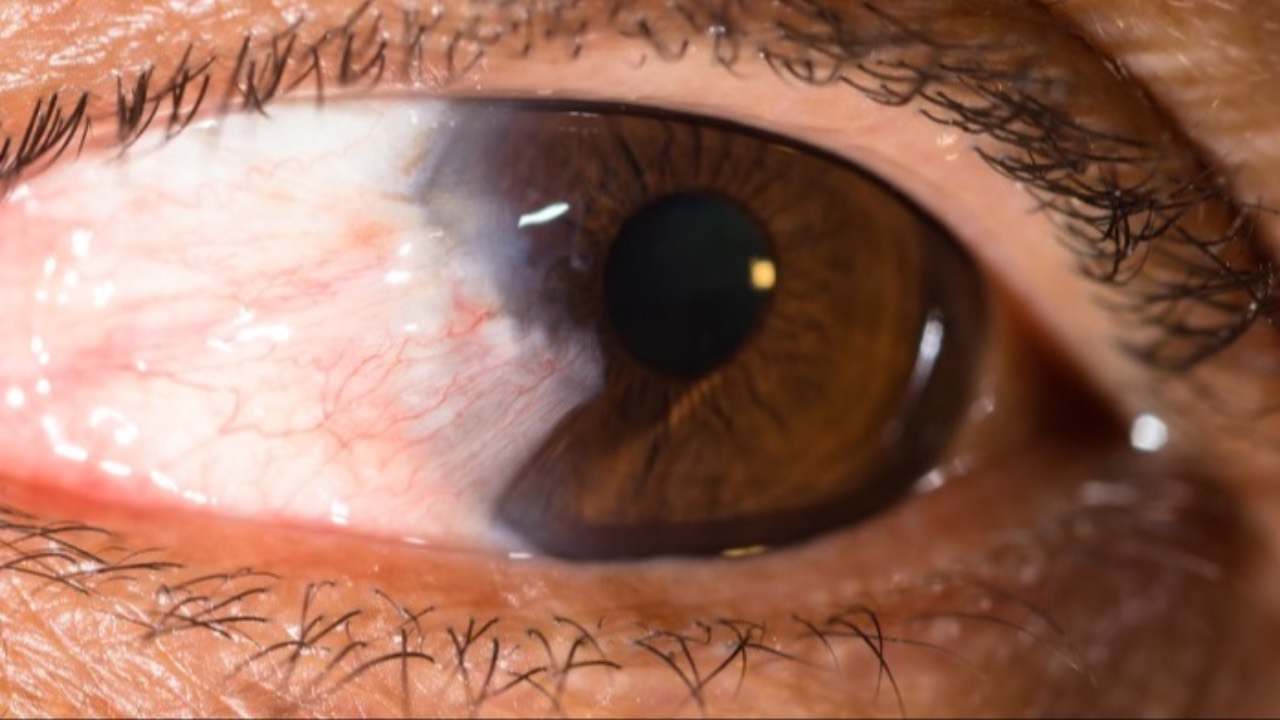
Histones are structural components of chromatin, consider them the protein "glue" which holds our DNA together. It has been known they also regulate gene expression through epigenetic modifications. These modifications can be dynamic and reversible, allowing cells to...
by John R Martinelli MD OD FAAO —
Mar 04, 2025
ERM: Hyperreflective Foci & OCTA
Are you looking for it?...
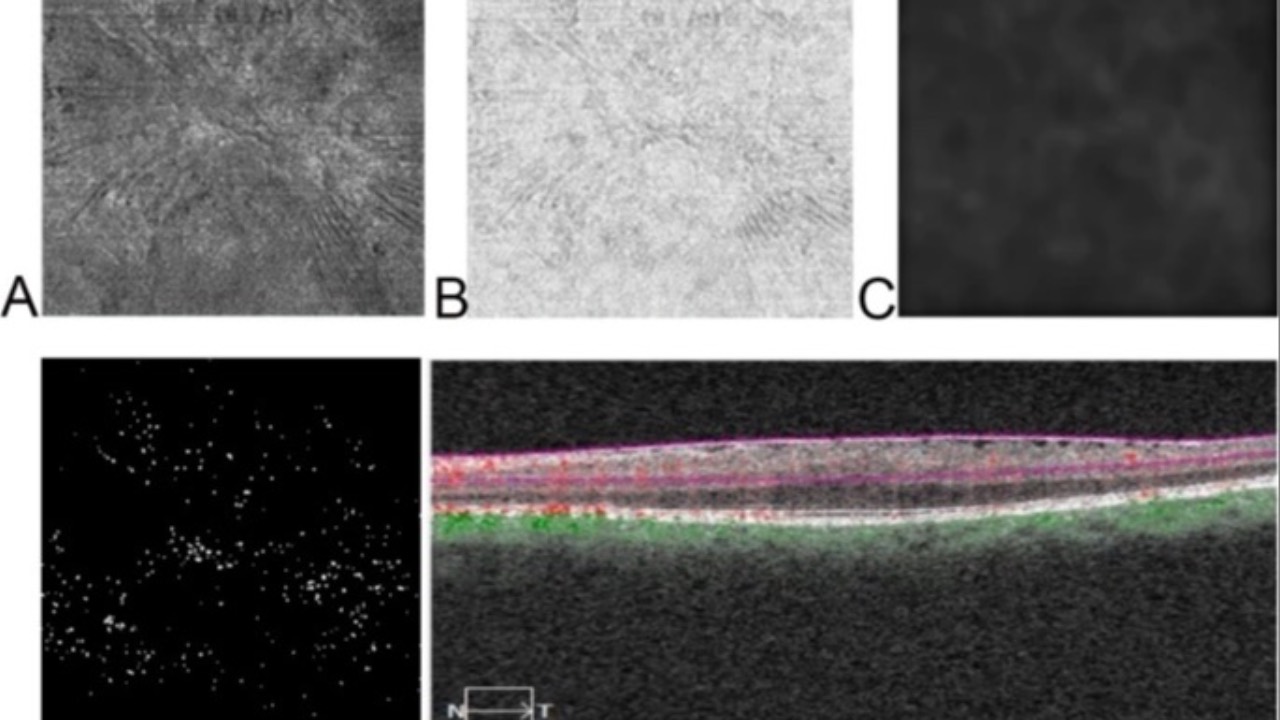
Elevated hyperreflective foci are a newfound characteristic of idiopathic epiretinal membrane (iERM) we should be aware of. These foci were recently identified via optical coherence tomography angiography (OCTA) while studying changes in the retinal vitreous interface a...
by John R Martinelli MD OD FAAO —
Feb 27, 2025
The Pituitary Neuro-Ophthalmic Approach
How well do you know it?...
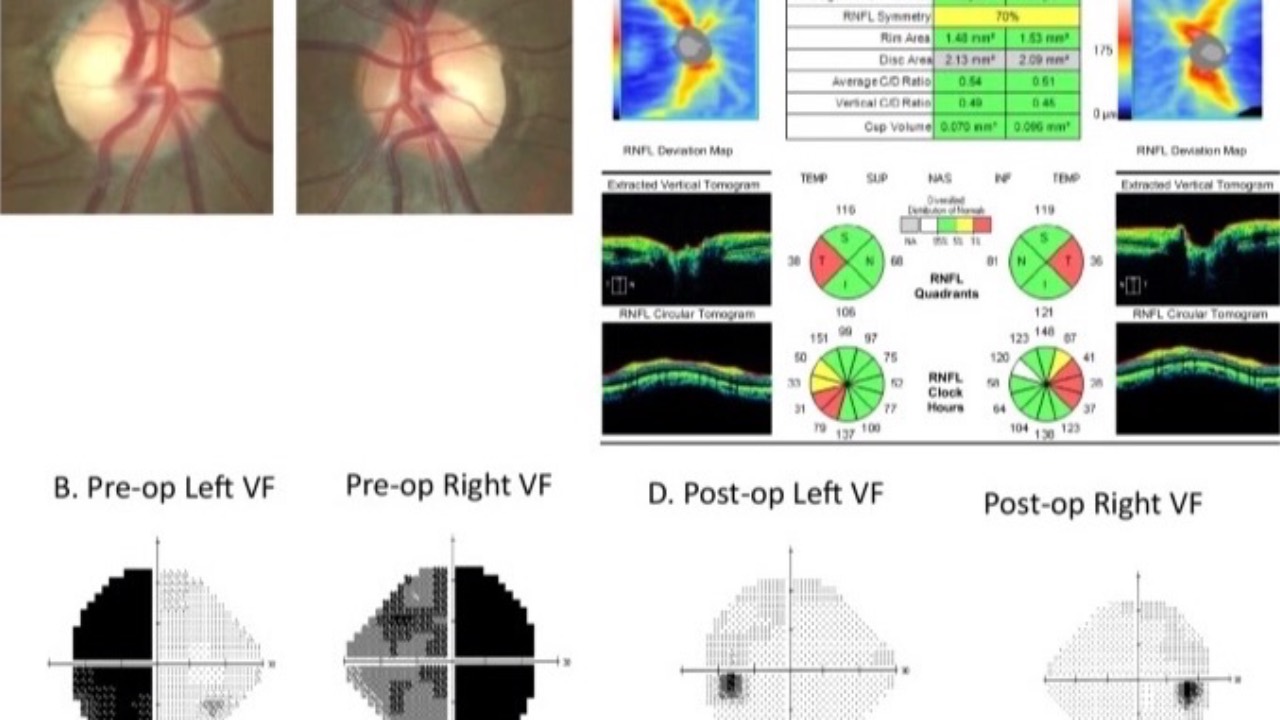
In ophthalmic medicine, our proper understanding of the "how & why" of neuro-ophthalmic concepts is key in diagnosis, prognosis, and management of pituitary conditions, particularly in scenarios involving potential compressive mass effects.
Optical coherence tomograph...
by John R Martinelli MD OD FAAO —
Feb 25, 2025
Cataract Surgery & Diabetic Retinopathy Progression
What do you tell your patients?...
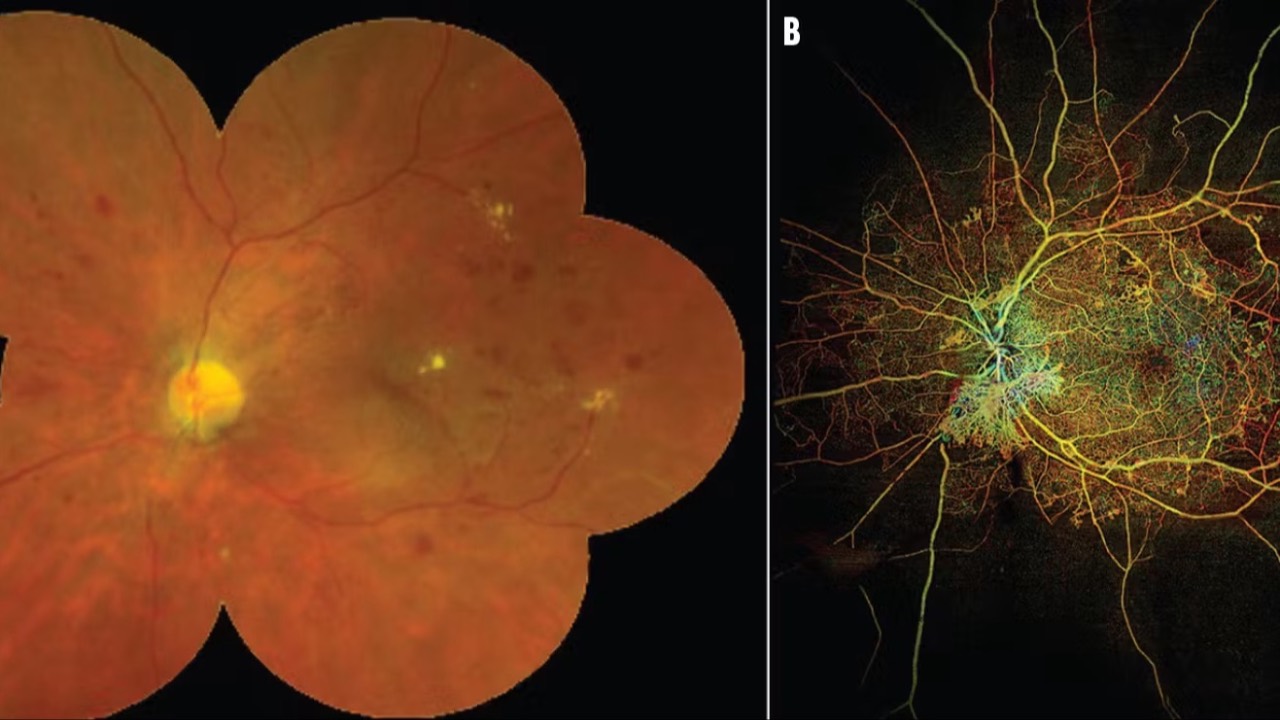
The risk of progression of non-proliferative diabetic retinopathy (NPDR) to proliferative diabetic retinopathy (PDR) following cataract surgery is always on our minds in terms of outcomes for our patients. While modern phacoemulsification has reduced surgical tr...
by John R Martinelli MD OD FAAO —
Feb 20, 2025
OCT Biomarkers: NAION vs AAION
Do you know what to look for?...
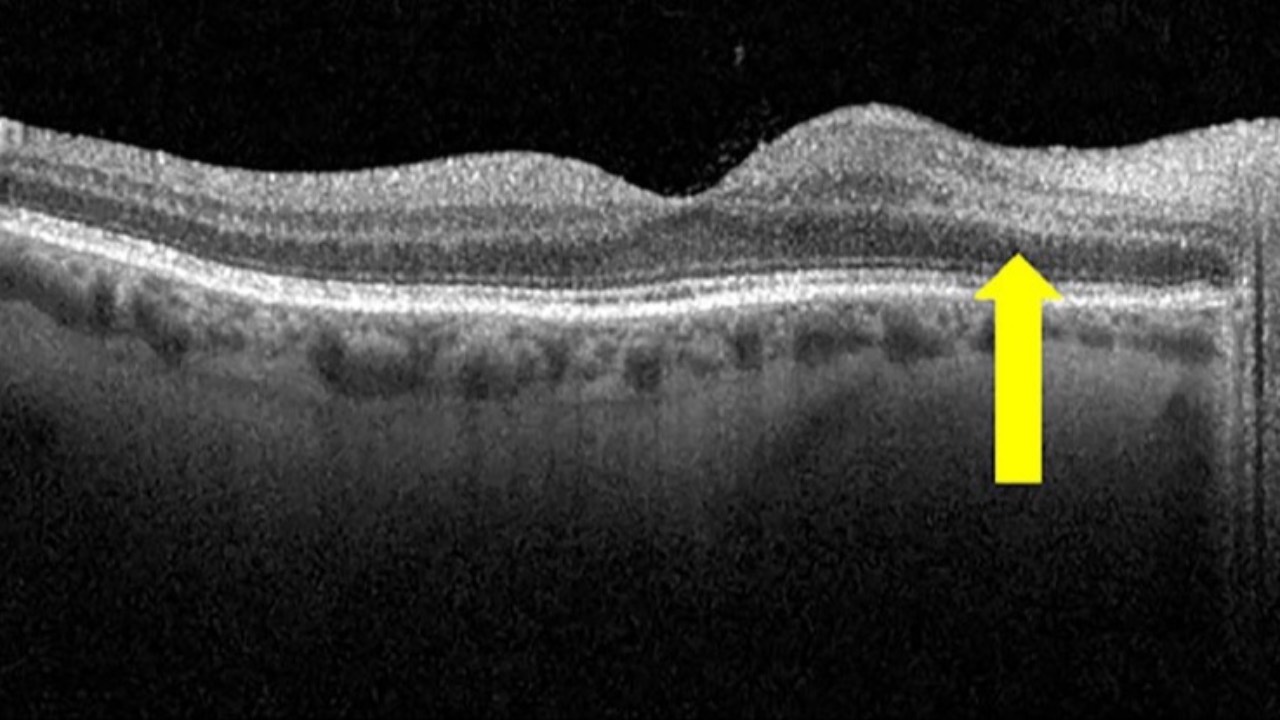
Paracentral acute middle maculopathy (PAMM) and retinal fluid may serve as high-yield biomarkers in distinguishing between arteritic anterior ischemic optic neuropathy (AAION) and non-arteritic anterior ischemic optic neuropathy (NAION). It appears the presence of...
by John R Martinelli MD OD FAAO —
Feb 18, 2025
Narrow Angles: Decisions. Decisions.
Peripheral Iridotomy (LPI)...should you or shouldn't you?
A systematic review and meta-analysis just published looked at the progression of primary angle closure suspects (PACS) to more advanced stages of angle closure.
The results from 1,997 PACS patients with an average follow-up of 6.2 years,...
by John R Martinelli MD OD FAAO —
Feb 13, 2025
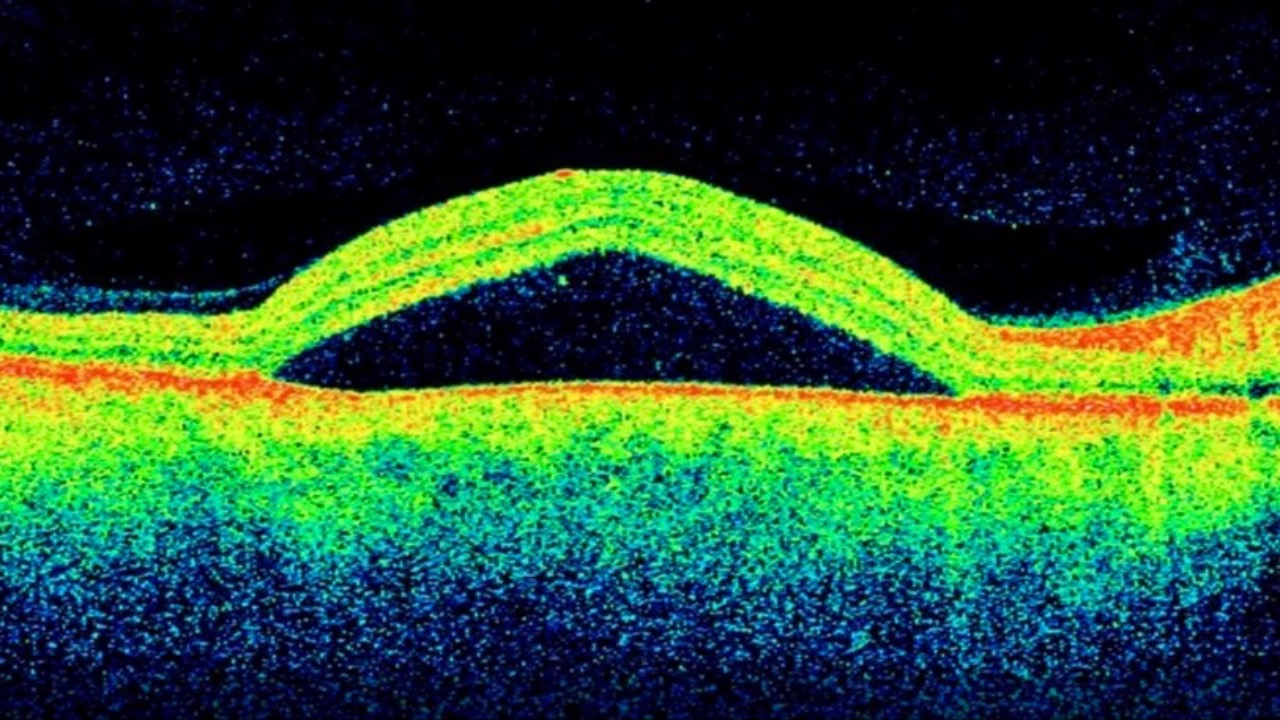
Central Serous Chorioretinopathy Redux
Sometimes personality really doesn't matter...
Central Serous Chorioretinopathy (CSC) has long been associated with younger stressed-out males & Type A personalities - likely due to higher circulating cortisol levels being released via the adrenals. Exogenous corticosteroid use has also been a m...
by John R Martinelli MD OD FAAO —
Feb 11, 2025
The Ophthalmic Physician Newsletter