
Does it exist and does it matter?
A small study has uncovered surprising insights into corneal chronobiology, challenging long-held assumptions about overnight corneal changes. Results with 64 participants across a wide age range (21-76 years) revealed corneal thickness increases during nocturnal hours even in sleep-deprived individuals with open eyes. This finding contradicts current thinking which attributes changes to overnight corneal edema related to eyelid closure.
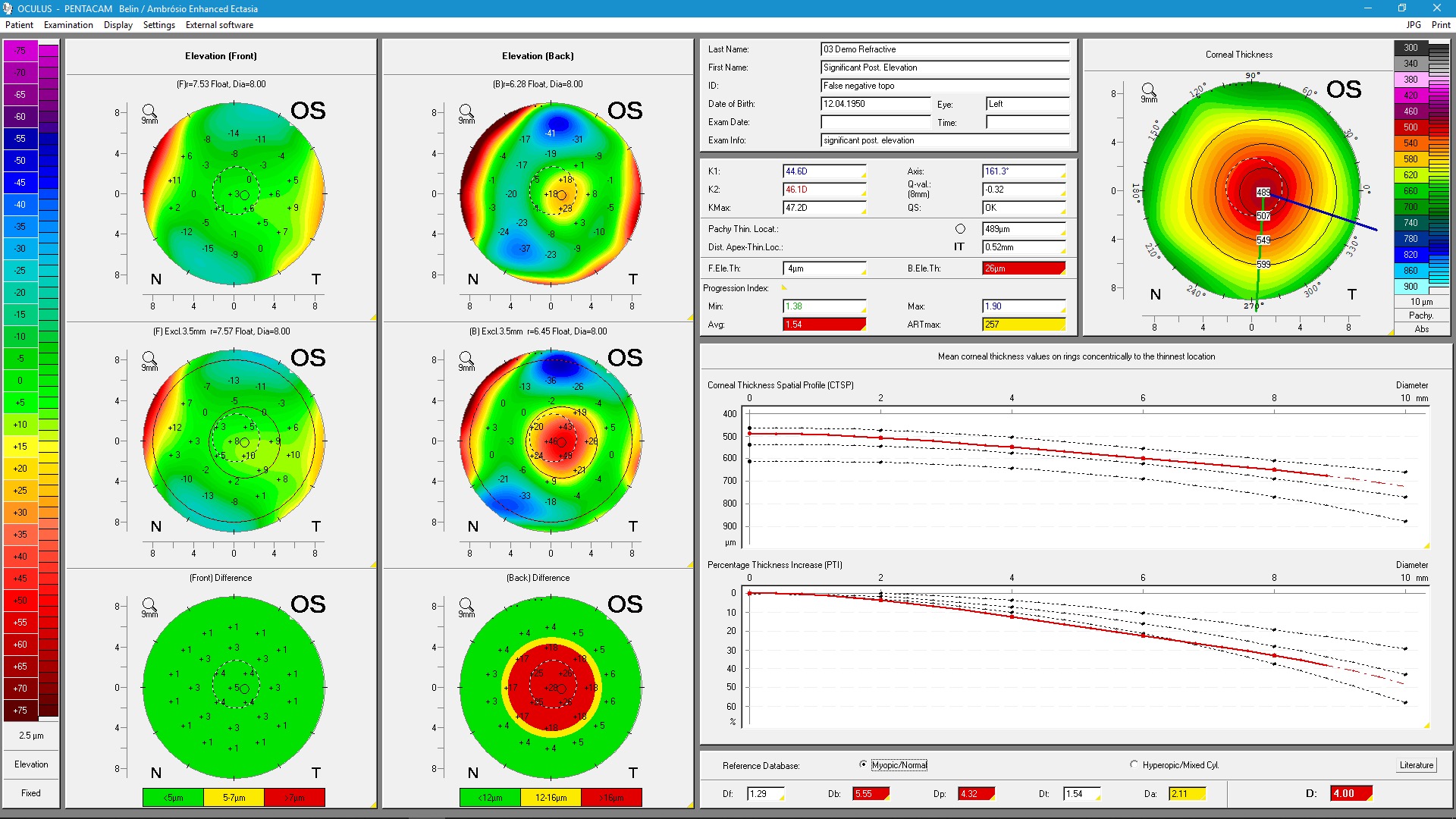
The study utilized Pentacam technology to measure various corneal parameters, including thickness, curvature, and volume, every 3-4 hours over a 24-hour period. Notably, corneal thickness peaked around 5:30 AM, regardless of sleep status, suggesting a complex interplay between circadian rhythms and corneal physiology.
For us, these results underscore the importance of considering time-of-day effects when interpreting corneal measurements, such as when planning surgical procedures. A new understanding of corneal diurnal variations may have significant implications for diagnosing and managing various ocular conditions, particularly in individuals with irregular sleep patterns or shift workers.
-JRM
Go to article in Scientific Reports: HERE
LABS & IMAGING FOR PRIMARY EYE CARE
BOOK & COURSE BUNDLE

Are you an optometrist hesitant to order and utilize laboratory diagnostics or imaging for your patients? Are you a student uncomfortable or unsure where to start?
Check out the Book & Course Bundle:
PUBLISH YOUR EXPERIENCE
BUILD A CE/CME ONLINE COURSE FROM MATERIAL YOU ALREADY HAVE.

- No Fees: We'll build & publish your course on our powerful platform.
- Income Stream: We do the work & you earn.
- Real Partnership: Real humans.
- Utilize Existing Materials: Notes, FAAO papers, writings collecting dust?
- Share Your Expertise: Teach others to help others.
- Global Audience: Reach eager learners worldwide.
- Advance Your Career: Contribute to ophthalmic medical education.


Responses